

Client Story: When Things Go Wrong
Birth is unpredictable. No matter how much we prepare, sometimes labour takes an unexpected turn. When people talk about positive birth experiences, it’s easy to assume that “positive” means calm, straightforward, and exactly as planned.
But that isn’t always the reality — and it doesn’t have to be.
Today’s client story shares a different kind of positive birth. One where things didn’t go according to plan, but where preparation, understanding, and support made all the difference.
This story is shared with permission, with details changed to protect the family’s privacy.
Preparing for Birth
When I first met this couple during their antenatal classes at Nurturing Maternity Support, they came with a clear vision. They hoped for a calm, low-intervention birth and had chosen to prepare thoroughly.
Together, we focused on:
understanding the physiology of labour
learning comfort and breathing techniques
building confidence rather than rigid expectations
supporting partner involvement
discussing options and informed decision-making
preparing emotionally for flexibility
One thing we talk about often in classes is this:
birth preparation is not about controlling outcomes — it’s about knowing how to respond when things change.
At the time, those conversations felt theoretical. Later, they became essential.
Labour Begins Normally
Labour began gently at home in the early hours of the morning. Contractions built steadily, and the birthing parent used breathing, movement, and calm focus just as we had practised.
The environment was quiet and supportive. The birth partner felt confident in their role, offering reassurance and helping maintain a sense of calm.
Everything suggested labour was progressing normally.
When Things Started to Change
Several hours later, progress slowed. Contractions became irregular, and exhaustion began to set in. Despite position changes and rest, labour struggled to move forward.
During monitoring, concerns were raised about the baby’s heart rate. While there was no emergency, it was clear that closer observation was needed. The decision was made to transfer to hospital for further assessment.
This was not part of the original plan — and understandably, emotions rose. Disappointment, fear, and uncertainty all surfaced at once.
But something important happened.
Because of their preparation, this couple didn’t feel powerless.
Using Knowledge in the Moment
Instead of panic, they leaned into what they had learned. They understood why the recommendation was being made and felt confident asking questions:
What are the concerns?
What are our options?
What happens if we wait?
What support is available?
The birth partner played a crucial role here — calmly advocating, helping interpret information, and ensuring the birthing parent felt heard.
This moment perfectly reflected one of the key aims of antenatal education: informed choice, even under pressure.
A Change of Direction
At hospital, monitoring confirmed that the baby was becoming distressed during contractions. An assisted birth was recommended to help the baby arrive safely.
This was not the birth they had imagined. There was sadness and grief for the experience they had hoped for — but there was also clarity.
Because they understood what was happening and why, the decision felt collaborative rather than frightening.
They consented feeling informed, supported, and involved.
The Birth
The room was busy and clinical — very different from the calm space they had envisioned — yet the atmosphere between the couple remained grounded.
Breathing techniques were used right up until the moment of birth. The partner stayed close, offering reassurance, eye contact, and a steady presence.
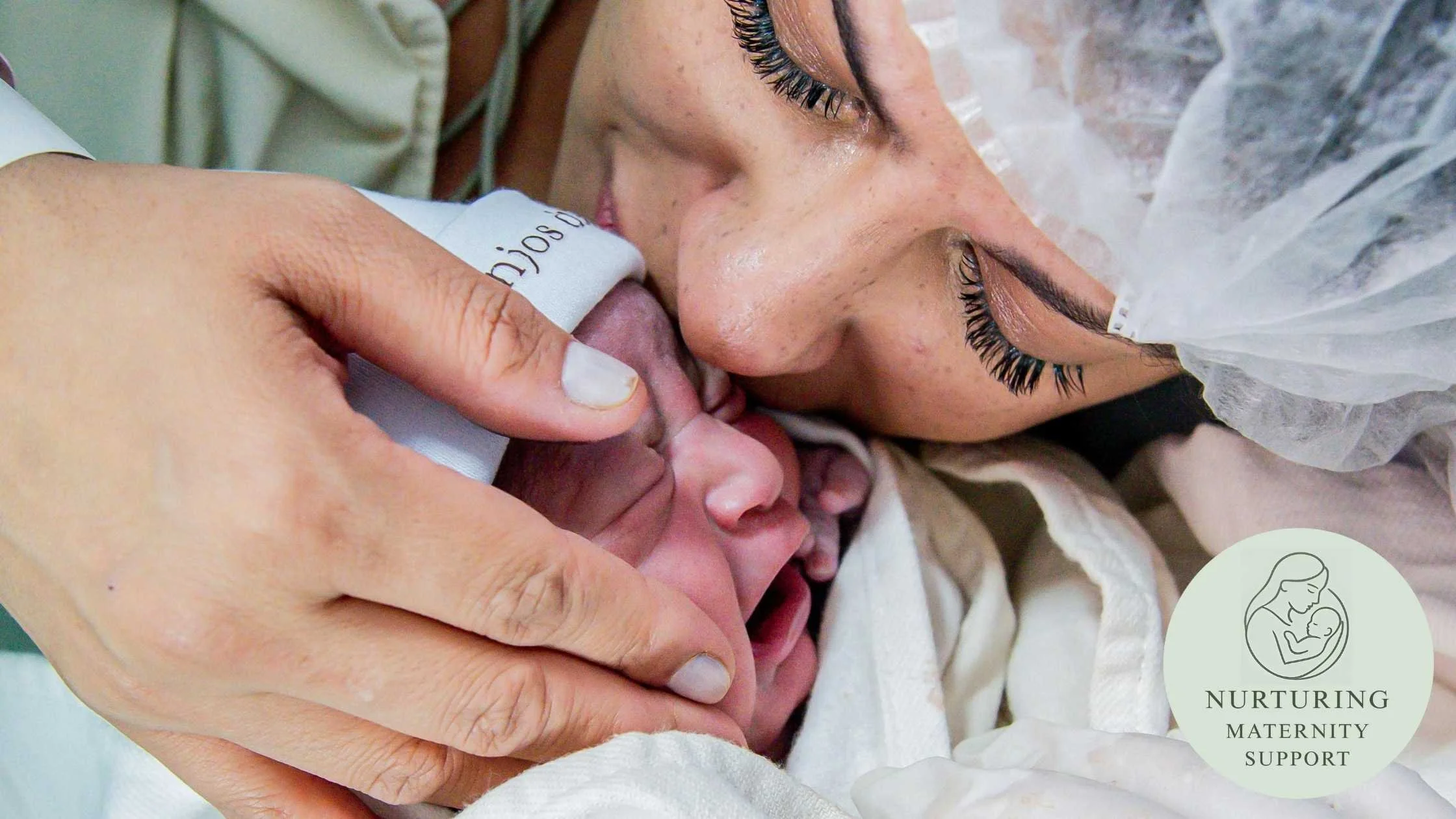
When their baby was born, there was an overwhelming sense of relief. Tears flowed — not just because the baby was safe, but because they had navigated something difficult together.
Skin-to-skin contact was prioritised, and bonding began immediately.
After Birth: Processing What Happened
In the days following the birth, emotions were mixed. There was joy, gratitude, exhaustion — and also disappointment.
This is something we talk about openly in classes: you can be thankful your baby is safe and still grieve the birth you hoped for. Both feelings can exist together.
When the family reflected on their experience later, something stood out strongly to them.
Despite everything that changed, they never felt out of control.
They understood what was happening.
They trusted their decisions.
They felt part of the process — not passive within it.
Why This Birth Was Still Positive
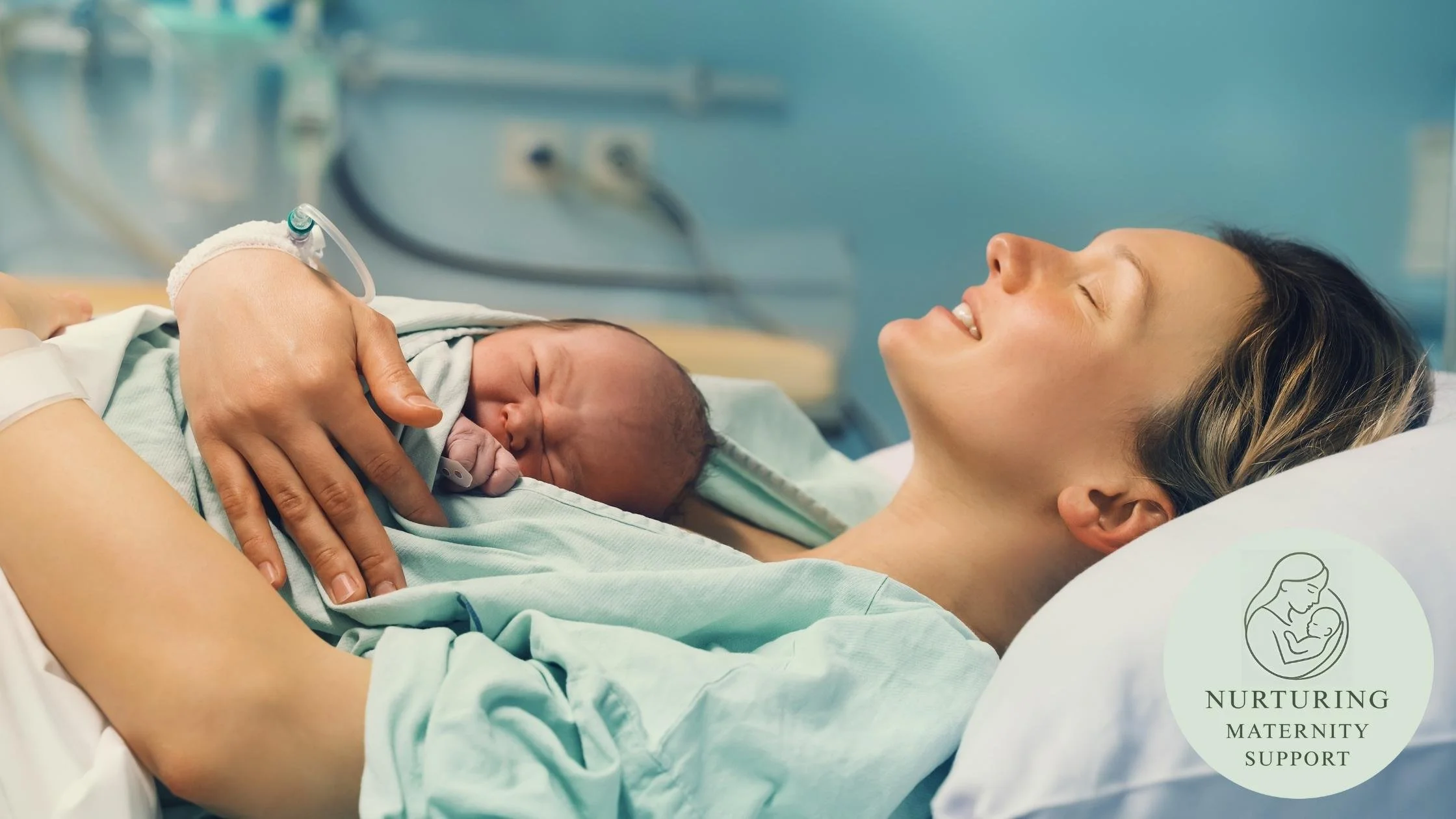
This birth was not calm in the way they had imagined — but it was positive in a deeper sense.
Because:
they felt listened to
they understood their options
they trusted their support team
their partner felt confident and involved
decisions were made collaboratively
they entered parenthood feeling proud, not traumatised
Preparation did not prevent complications — but it prevented fear from taking over.
The Role of Antenatal Classes
When this family later reflected on their journey, they said something that stayed with me:
“We didn’t get the birth we planned — but we got the birth we could cope with.”
That is exactly what antenatal education aims to do.
At Nurturing Maternity Support, classes don’t promise perfect births. Instead, they prepare families for the reality of labour — including when things change.
We focus on:
understanding physiology and interventions
building emotional resilience
preparing partners to advocate and support
practising communication skills
developing confidence and flexibility
knowing how to stay grounded under pressure
Because birth doesn’t need to be perfect to be empowering.
A Message for Expectant Parents
If you’re preparing for birth, it’s natural to hope for a specific experience. Plans and preferences matter — but preparation matters more.
When you understand your body, your options, and your rights, you carry that knowledge with you into any birth space.
Even when things go wrong, preparation can help birth remain something you look back on with strength rather than fear.
Final Thoughts
This client story is a powerful reminder that a positive birth is not defined by how it looks, but by how it feels.
Feeling informed.
Feeling supported.
Feeling involved.
Feeling safe.
That is what truly shapes the experience.
At Nurturing Maternity Support, our goal is never to guarantee outcomes — it’s to help families feel confident navigating whatever their birth journey brings.
Because when things go wrong, preparation doesn’t disappear — it shows up when you need it most.
At Nurturing Maternity Support, our antenatal classes focus on realistic preparation for labour — including partner involvement, informed decision-making, emotional resilience, and practical coping tools. We support families not just in planning their ideal birth, but in feeling confident and capable whatever path their birth takes.
