


Blog

Are Antenatal Classes Worth It? 10 Benefits Every Parent Should Know
If you've recently found out you're expecting, you've probably come across antenatal classes while planning for your baby's arrival. But with so much information available online, it's understandable to wonder:
Are antenatal classes really worth it?
It's a question I hear regularly at Nurturing Maternity Support. Some parents worry they'll be told things they already know, while others wonder if they can simply learn everything from books, social media, or YouTube.
The truth is that good antenatal education is about far more than information. It's about building confidence, reducing fear, preparing both parents, and helping you approach birth and early parenthood feeling calm, informed, and supported.
If you're deciding whether to book a course, here are 10 benefits every expectant parent should know.

What Nobody Tells You About the First Week After Birth
You spend months preparing for labour, birth, and meeting your baby. You read books, attend appointments, and perhaps even take an antenatal course. But despite all that preparation, many new parents find themselves saying the same thing during the first week after birth:
"Nobody told me it would be like this."
The first week after birth is beautiful, emotional, exhausting, overwhelming, and life-changing all at once. It is a period of huge adjustment, not only for your baby but for you too.
At Nurturing Maternity Support, I believe one of the best ways to prepare for parenthood is to have realistic expectations of those early days. Not to scare parents, but to reassure them that many of the experiences they have are completely normal.
So let's talk about some of the things nobody tells you about the first week after birth.
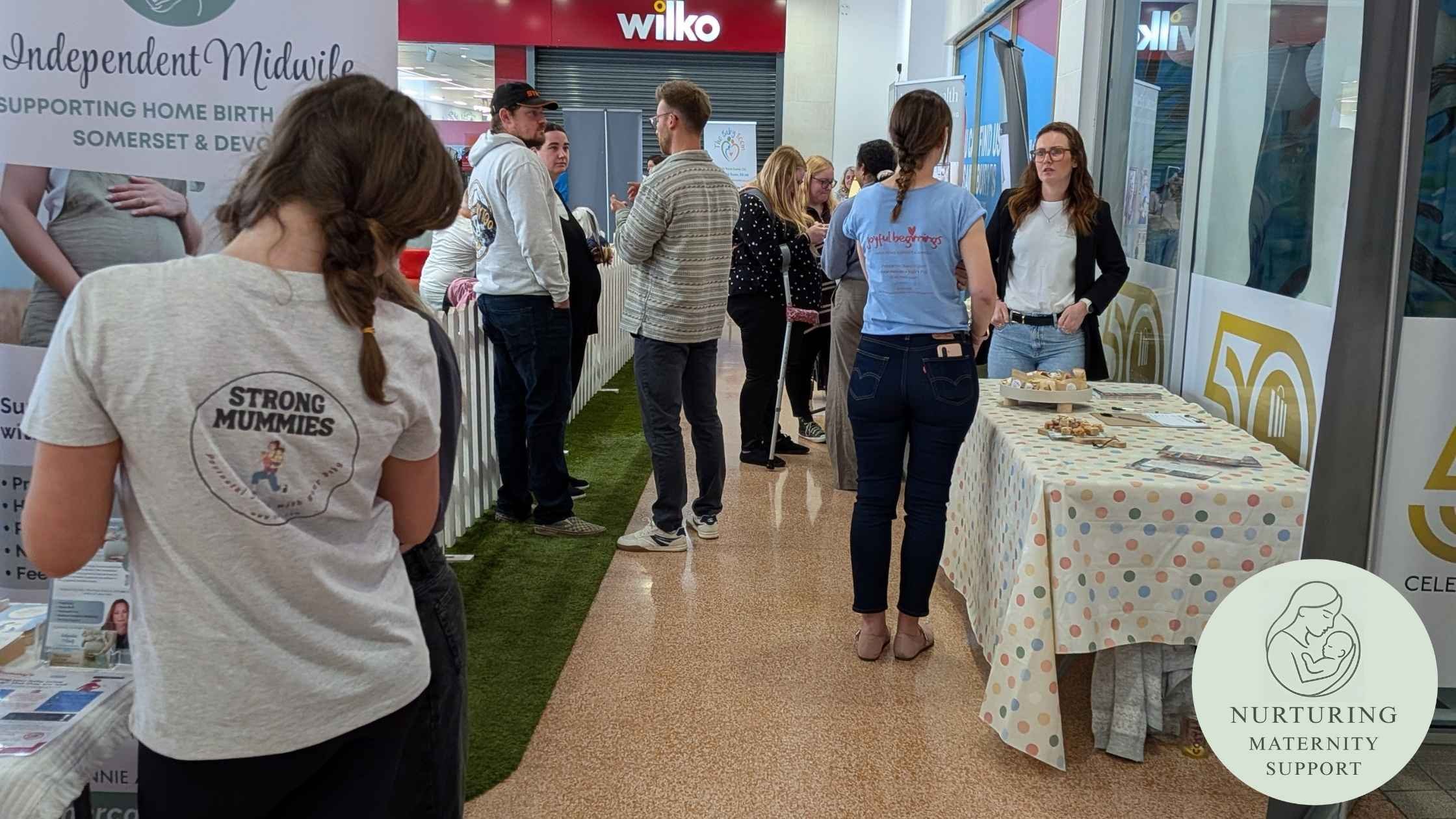
Our Baby and Pregnancy Support Event at the Guildhall Shopping Centre
Supporting families through pregnancy and early parenthood has always been at the heart of what we do at Nurturing Maternity Support. That's why, on Saturday 16th May 2026, we were delighted to host our first-ever Baby and Pregnancy Support Event at the beautiful Guildhall Shopping Centre.
Bringing together local businesses, support services, and expectant and new parents under one roof, the event was designed to create a welcoming space where families could access information, discover local services, ask questions, and build connections within their community.
Looking back, it was a truly special day.
Understanding the Natural Flow of Labour
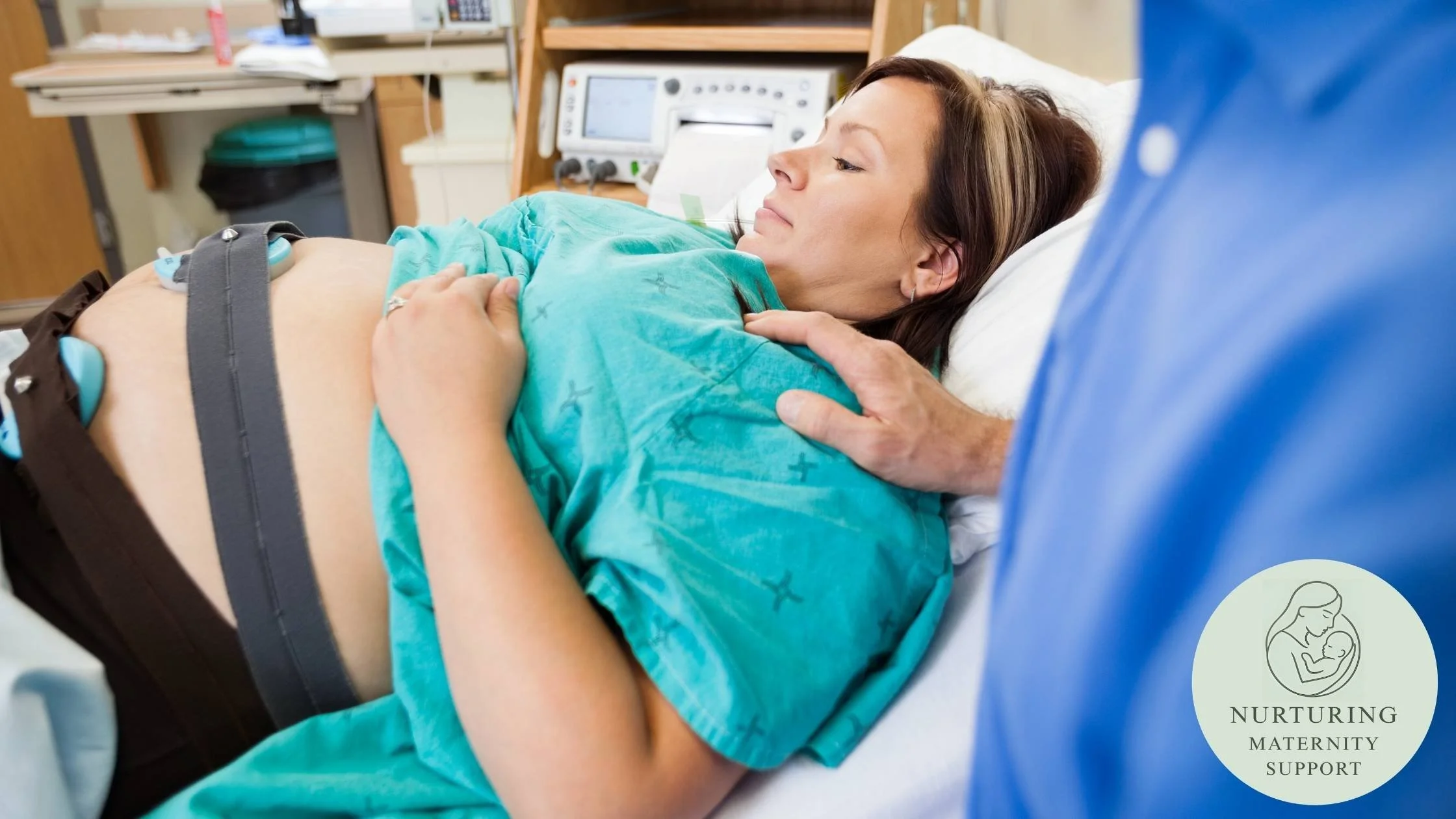
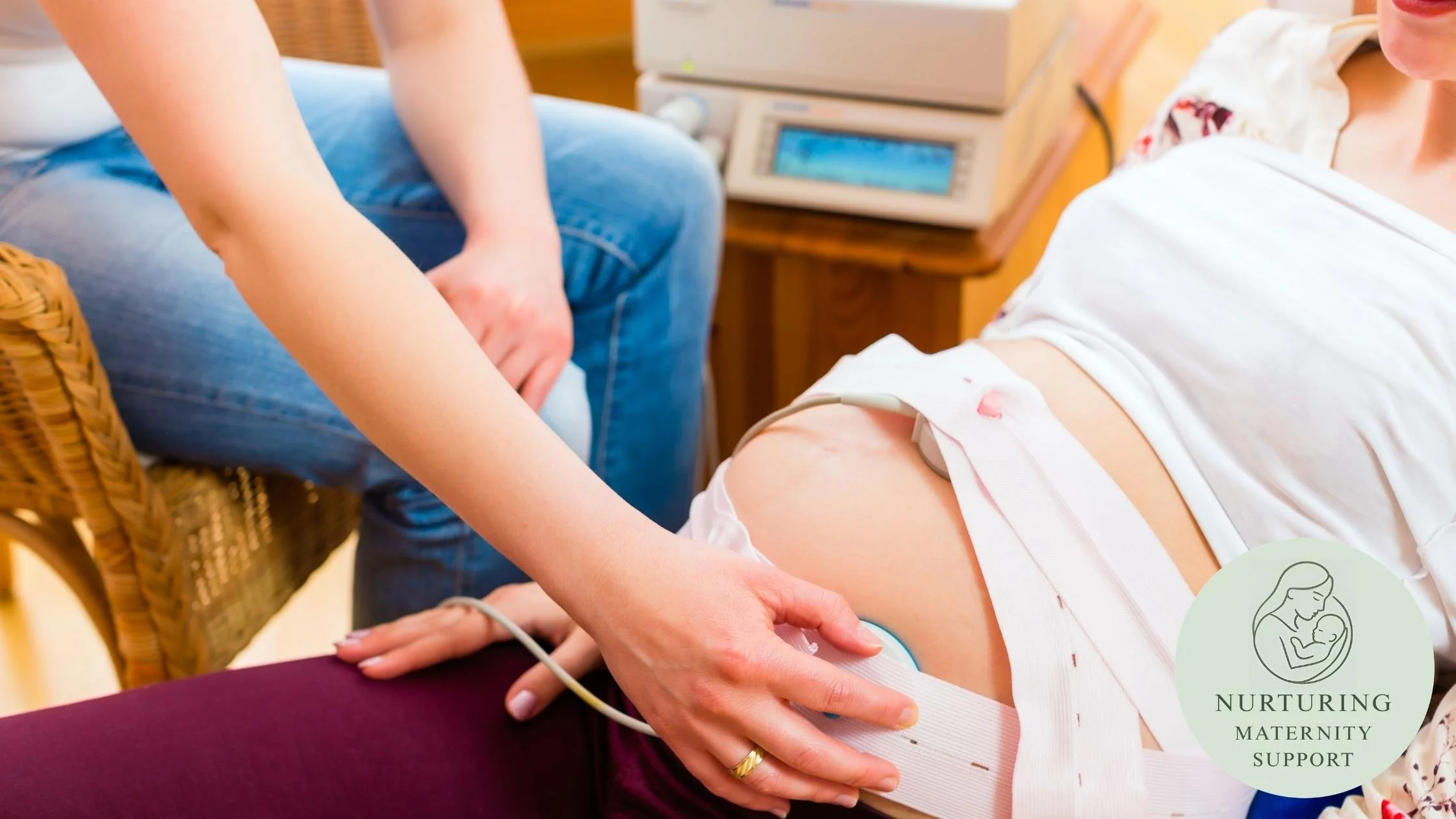
Labour is often described in stages, timelines, and measurements — but in reality, it is not a rigid sequence of events. It is a natural, flowing process guided by your body, your baby, and a powerful interplay of hormones.
At Nurturing Maternity Support, we gently help parents understand this flow so that labour feels less like something unpredictable and overwhelming, and more like something that unfolds step by step.
When you understand the natural rhythm of labour, it becomes easier to trust your body and approach birth with confidence.

Making Sense of Induction Conversations
During pregnancy, many parents are told that induction of labour might be discussed at some point. For some, it’s raised briefly. For others, it becomes a more detailed conversation as pregnancy progresses.
However it’s introduced, conversations about induction can sometimes feel confusing, overwhelming, or even pressured — especially if you’re hearing new information for the first time.
At Nurturing Maternity Support, we focus on helping families make sense of these conversations calmly and confidently, so they feel informed, supported, and able to make decisions that feel right for them.

Breathing Techniques That Encourage Calm
Breathing is something we do automatically every day, yet during pregnancy and labour, it can become one of the most powerful tools you have.
When used intentionally, breathing can help reduce anxiety, ease tension, and support your body through the intensity of labour. It’s simple, accessible, and always available — wherever you are and whatever your birth journey looks like.
At Nurturing Maternity Support, we often explore breathing techniques as part of preparing for birth, not as something complicated to master, but as a way to encourage calm, confidence, and connection with your body.

Preparing Birth Partners With Confidence
When I first set up Nurturing Maternity Support, one piece of feedback came up again and again — and it stayed with me.
Birth partners would tell me that during labour and birth, they had felt underprepared, unsure of their role, and at times like a spare part.
What stood out even more was that many of them had attended antenatal classes before — yet still felt this way. They hadn’t been included in a meaningful way, and when labour began, they didn’t know how to support, what to say, or what was expected of them.
That experience is something I knew needed to change.
Because birth partners are not just there to observe — they are an essential part of the birth experience.
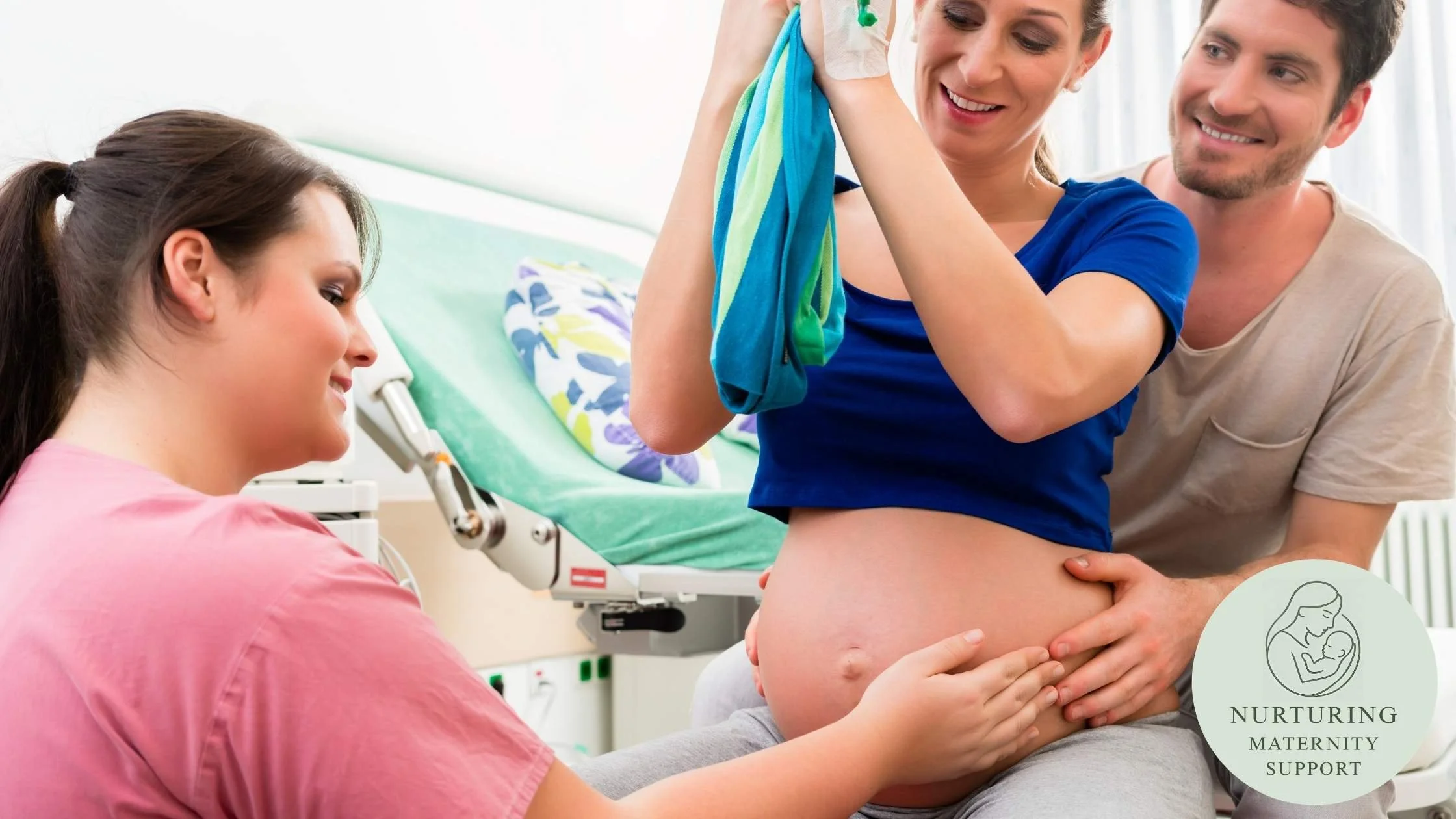

Supporting Labour Through Environment and Atmosphere
When we think about preparing for labour, it’s easy to focus on what the body is doing — contractions, dilation, and the stages of labour. But one of the most powerful influences on how labour unfolds is something much simpler: the environment and atmosphere surrounding you.
At Nurturing Maternity Support, we often explore how birth is not just a physical process, but an emotional and sensory experience. The space you’re in, the people around you, and how you feel within that environment can all influence how your body responds during labour.
Creating the right atmosphere doesn’t mean making things perfect — it means creating a space where you feel safe, supported, and able to focus inward.

Approaches to Managing Sensation in Labour
Labour is often described as intense, powerful, and unlike any other physical experience. One of the most common concerns expectant parents share during pregnancy is how they will cope with the sensations of labour.
At Nurturing Maternity Support, we often talk about the word “sensation” rather than “pain.” This shift in language helps acknowledge that labour can feel strong and demanding, while also recognising that there are many ways to work with these sensations.
Every labour is unique, and what works for one person may not work for another. The key is understanding the different approaches available so you can find what feels supportive for you.
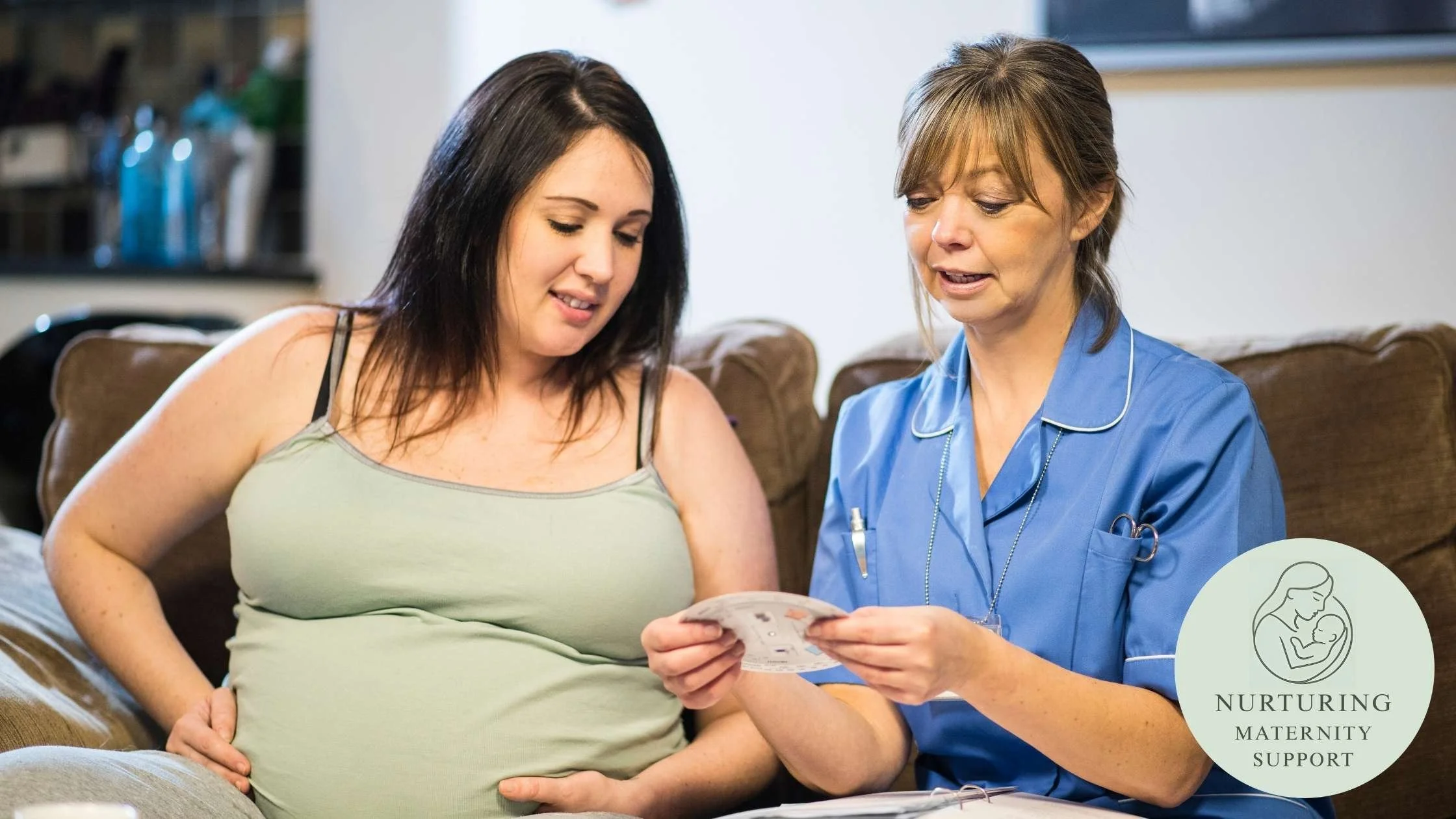
Understanding Your Options Without Pressure
Pregnancy often brings with it a flood of decisions. From birth preferences and pain relief options to feeding choices and postnatal care, expectant parents are suddenly presented with a wide range of information and opinions. While having options is empowering, it can also feel overwhelming — especially when advice comes from many different directions.
At Nurturing Maternity Support, one of the most important principles we focus on is helping families understand their options without feeling pressured into any particular choice. Pregnancy and birth are deeply personal experiences, and every family deserves the time, space, and support to make decisions that feel right for them.

Client Story: A Successful VBAC
For many parents who have previously had a caesarean birth, the thought of labouring again can bring a mixture of hope, excitement, and uncertainty. Questions about what is possible, what is safe, and whether things might unfold differently this time often sit alongside the desire for a positive experience.
Today I’m sharing a beautiful client story about a successful VBAC (Vaginal Birth After Caesarean). With permission, this story has been shared anonymously to protect the family’s privacy.
Every birth is unique, and this story isn’t shared to suggest that all births should follow the same path. Instead, it highlights how preparation, understanding, and support can help parents approach birth with confidence — whatever the outcome.
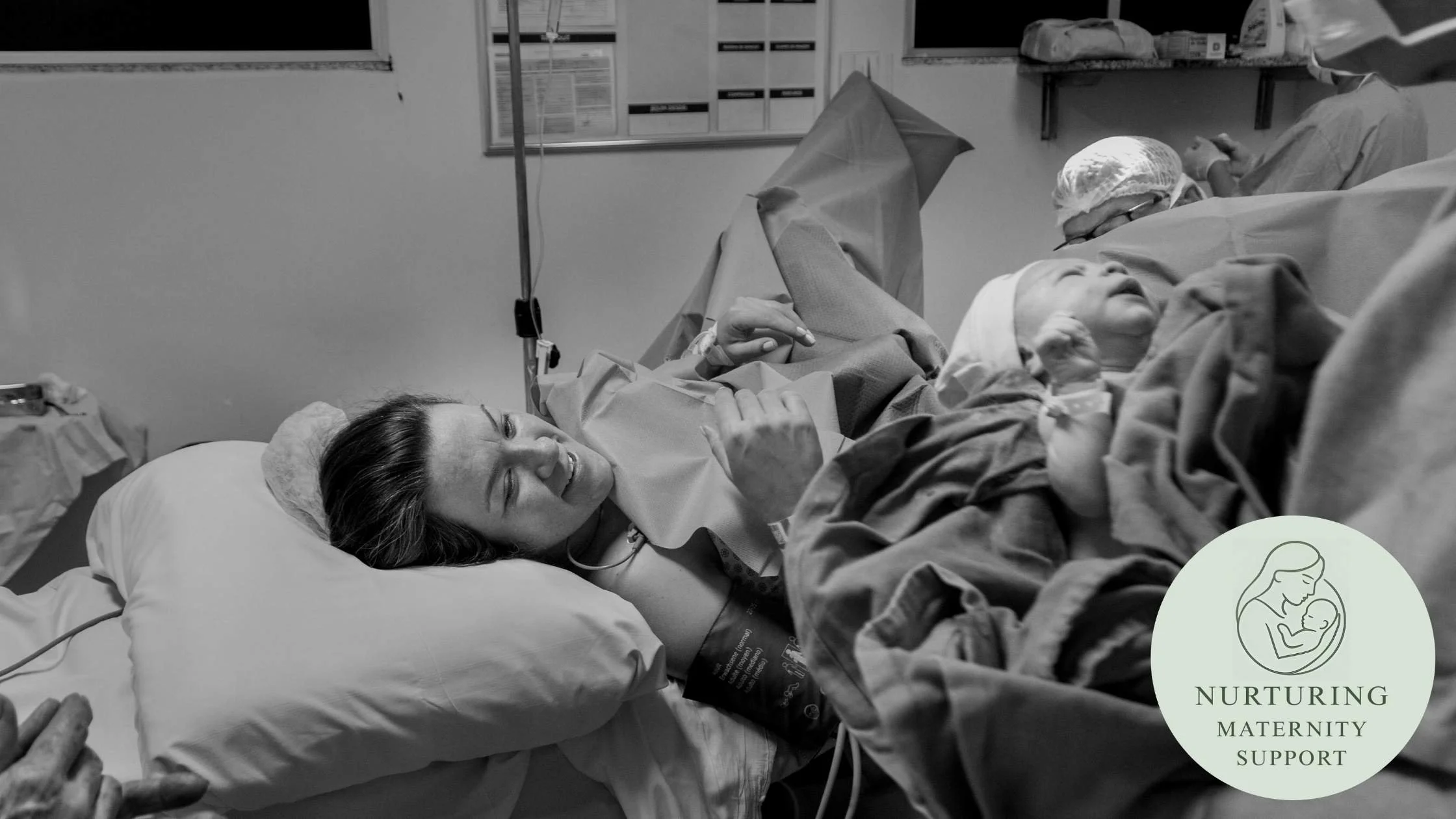
Getting Ready for Labour Without a Rigid Plan
Preparing for labour can sometimes feel like walking a fine line. On one hand, you want to feel informed and ready. On the other, you may hear that birth is unpredictable — which can make planning feel uncertain or even stressful.
Many parents worry that if they don’t have a detailed plan, they won’t cope. Others feel pressure to create the “perfect birth plan,” only to feel anxious about whether it will all go as hoped.
At Nurturing Maternity Support, we often talk about preparing for labour in a different way — not through rigid plans, but through understanding, flexibility, and confidence. Because while birth rarely follows a script, feeling prepared can help you meet whatever unfolds with calm and trust.

The Hormonal Flow of Birth Explained Gently
Birth is often described in terms of stages, timings, and procedures — but beneath all of that is something beautifully simple: a carefully coordinated hormonal flow that guides labour from beginning to end.
Understanding the hormones of birth doesn’t mean you need to become an expert in biology. Instead, it offers reassurance that your body has an innate rhythm — a built-in system designed to support labour, birth, and early bonding.
At Nurturing Maternity Support, we gently explore this hormonal dance so parents can approach birth with trust rather than fear. When you understand what your body is doing, it becomes easier to work with it rather than against it.

Preparing for Birth Without Overwhelm
Preparing for birth can feel like stepping into an entirely new world. There is so much information available — books, online advice, social media, well-meaning friends and family — that it can quickly start to feel overwhelming rather than empowering.
At Nurturing Maternity Support, I often meet expectant parents who want to prepare for birth but don’t know where to start. Many worry they should know everything before labour begins, or that if they miss something important, they won’t cope.
The truth is, birth preparation is not about learning everything — it’s about learning what truly supports you. Preparing without overwhelm is not only possible, it often leads to greater confidence and calm when labour begins.
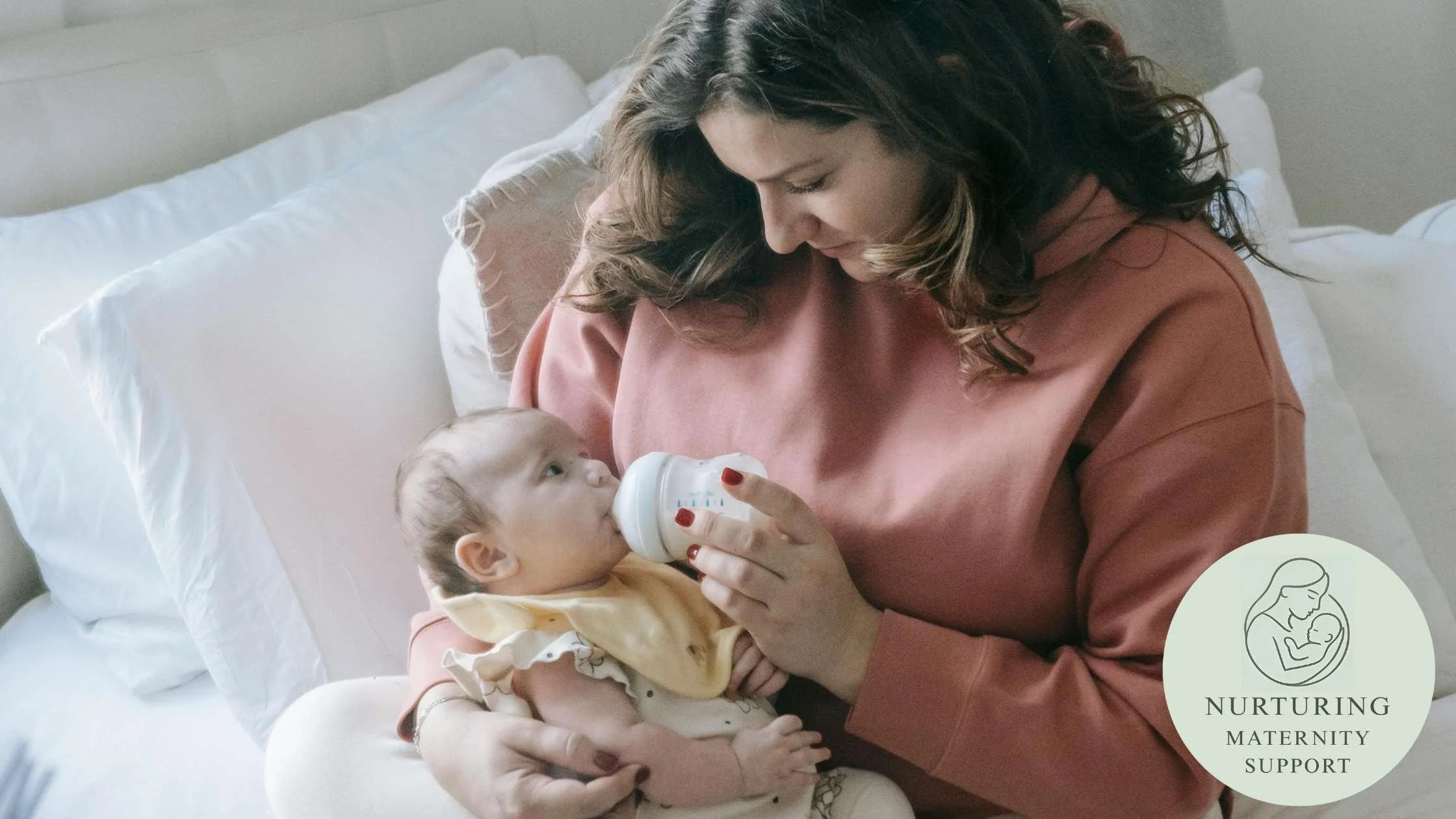

Finding Confidence as a First-Time Parent
Becoming a parent for the first time is one of life’s biggest transitions. Alongside the excitement and love, many new parents experience self-doubt, overwhelm, and the constant question of “Am I doing this right?”
At Nurturing Maternity Support, I meet countless first-time parents who care deeply about their babies yet struggle to trust themselves. This lack of confidence is not a reflection of ability — it’s a natural response to new responsibility, exhaustion, and the pressure to “get it right.”
Confidence in early parenthood isn’t something you suddenly have. It’s something that grows quietly, through experience, reassurance, and support.

Client Story: When Things Go Wrong
Birth is unpredictable. No matter how much we prepare, sometimes labour takes an unexpected turn. When people talk about positive birth experiences, it’s easy to assume that “positive” means calm, straightforward, and exactly as planned.
But that isn’t always the reality — and it doesn’t have to be.
Today’s client story shares a different kind of positive birth. One where things didn’t go according to plan, but where preparation, understanding, and support made all the difference.
This story is shared with permission, with details changed to protect the family’s privacy.

How to Stay Calm and Confident Throughout Pregnancy
Pregnancy is a season of profound change. While it can be filled with excitement and anticipation, it can also bring moments of uncertainty, vulnerability, and overwhelm. Physical changes, emotional shifts, and the constant stream of information can sometimes make it difficult to feel calm and confident.
At Nurturing Maternity Support, I often remind families that feeling calm and confident during pregnancy is not about avoiding worry altogether — it’s about learning how to meet uncertainty with trust, understanding, and support. In this blog, I’ll share gentle, realistic ways to nurture calm and confidence throughout pregnancy, supporting both your wellbeing and your connection to your baby.