

Supporting Labour Through Environment and Atmosphere
When we think about preparing for labour, it’s easy to focus on what the body is doing — contractions, dilation, and the stages of labour. But one of the most powerful influences on how labour unfolds is something much simpler: the environment and atmosphere surrounding you.
At Nurturing Maternity Support, we often explore how birth is not just a physical process, but an emotional and sensory experience. The space you’re in, the people around you, and how you feel within that environment can all influence how your body responds during labour.
Creating the right atmosphere doesn’t mean making things perfect — it means creating a space where you feel safe, supported, and able to focus inward.
Why Environment Matters in Labour
Labour is guided by a delicate hormonal balance. When you feel calm and safe, your body releases oxytocin and endorphins, which support contractions and help you cope with intensity.
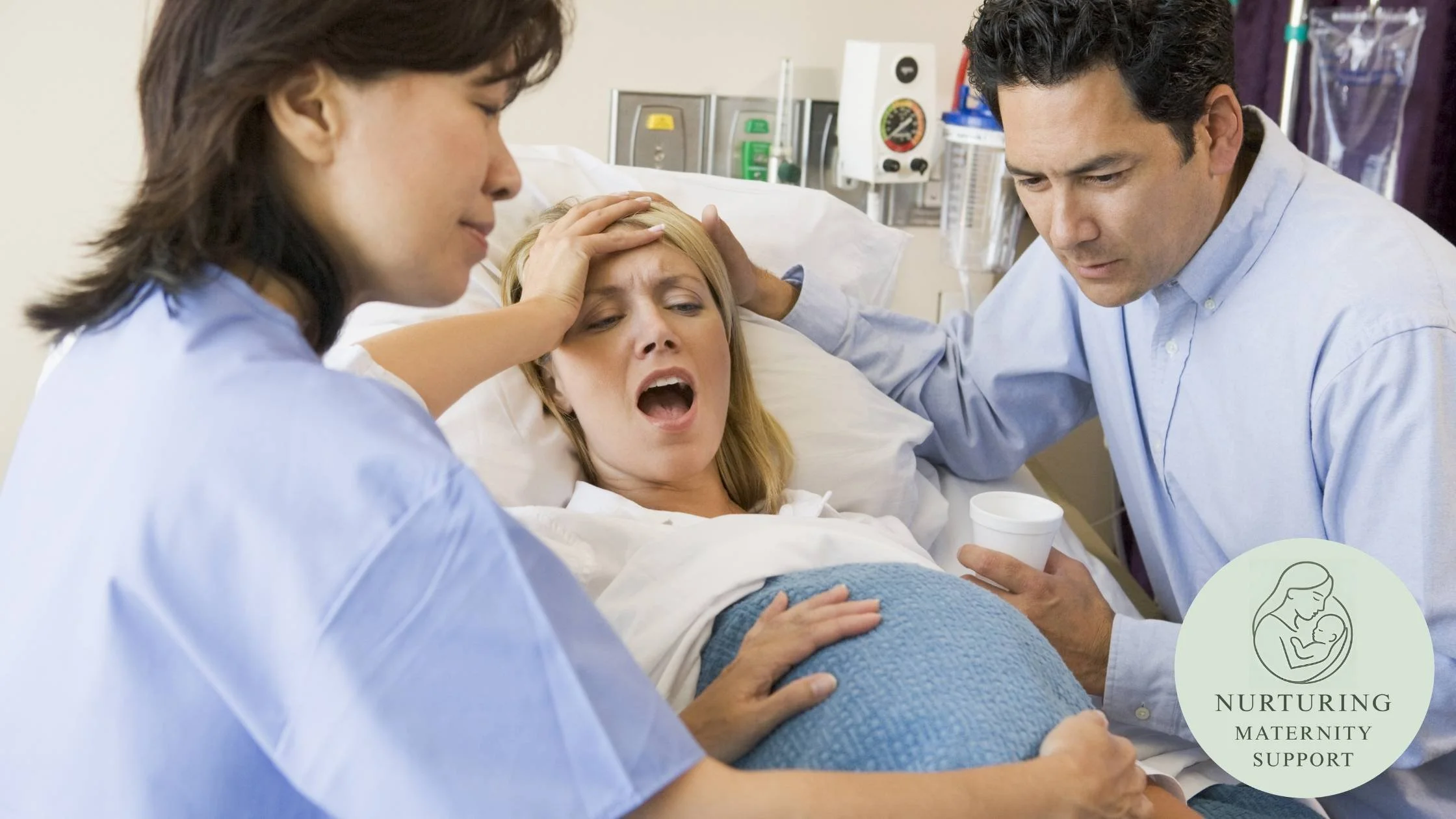
However, when the environment feels stressful, bright, noisy, or unfamiliar, the body may produce adrenaline. In early labour, this can slow progress or make contractions feel more difficult to manage.
This is why environment matters so much. A supportive atmosphere helps your body stay in its natural rhythm, allowing labour to unfold more smoothly.
Creating a Sense of Safety
Feeling safe is one of the most important factors during labour. Safety is not just physical — it is emotional.
You may feel safer when:
you trust the people around you
you understand what is happening
you feel listened to and respected
your environment feels calm and familiar
Safety allows the body to relax, which supports the hormonal flow of labour.
Lighting and Sensory Input
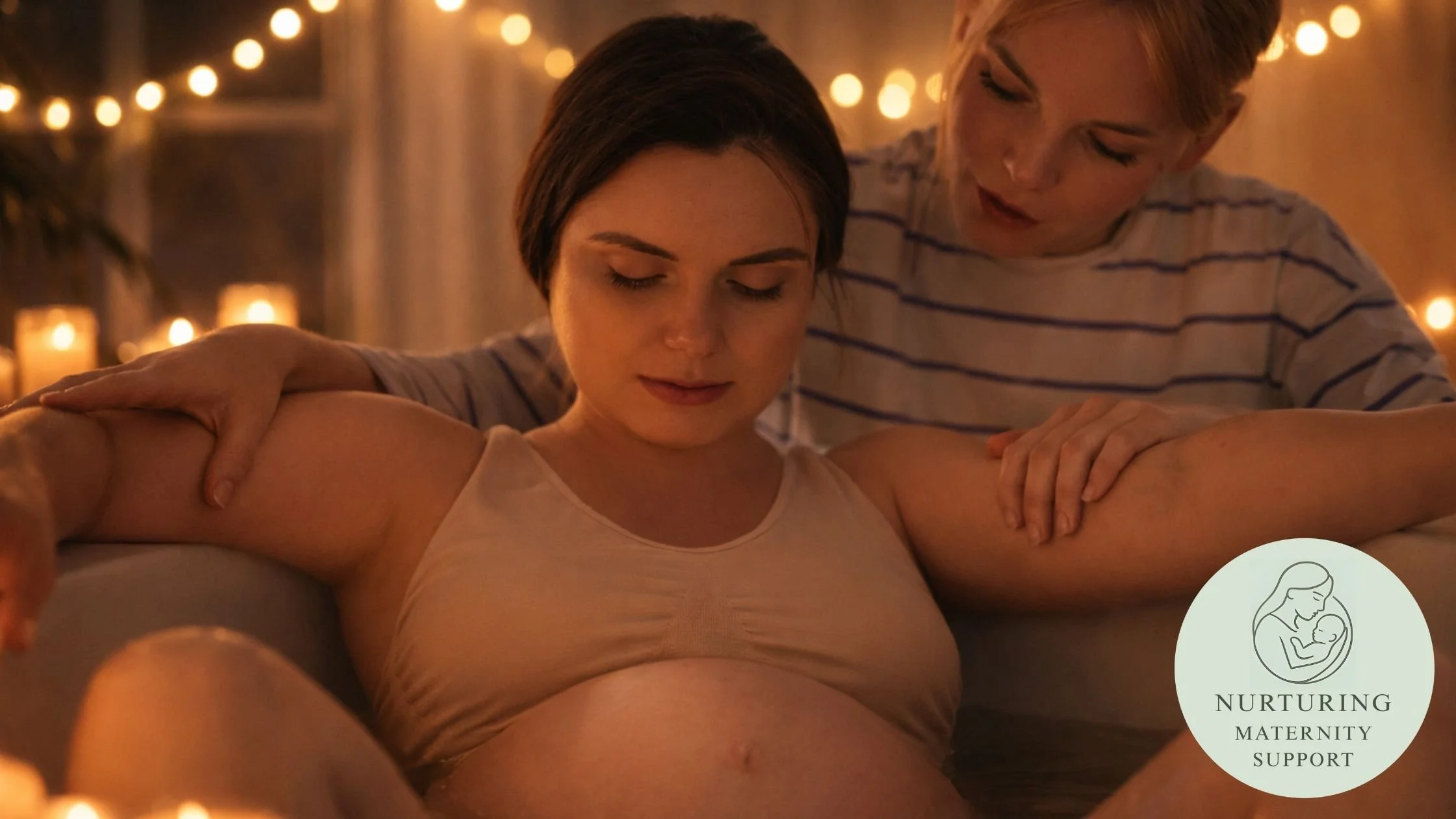
Lighting can have a significant effect on how you feel. Bright, harsh lighting can make the body feel alert and exposed, while dim, warm lighting encourages relaxation.
Many parents find that softer lighting helps them feel more comfortable and less self-conscious.
Reducing sensory input can also help you stay focused. This might mean lowering noise levels, limiting interruptions, and creating a quieter, more peaceful space.
The Importance of Privacy
Privacy plays a key role in supporting labour. When you feel observed or interrupted, it can be harder to relax and allow your body to work naturally.
Creating a sense of privacy might involve:
limiting the number of people present
keeping the room quiet and calm
reducing unnecessary conversations
allowing space for inward focus
This helps you stay in what is often described as the “labour zone,” where your body can work instinctively.
Familiarity and Comfort
Being in a familiar environment can help you feel more relaxed. At home, this might mean your own space, belongings, and routines. In a hospital or birth centre, bringing familiar items can help create a similar sense of comfort.
This might include:
pillows or blankets from home
music or calming sounds
comfortable clothing
familiar scents
Small touches can make an unfamiliar environment feel more supportive.
The Role of Your Birth Partner
Your birth partner is a key part of your environment. Their presence, tone of voice, and confidence can all influence how you feel during labour.
A calm, supportive partner can help you feel reassured and grounded. They may:
offer encouragement and reassurance
help maintain a calm atmosphere
support you with breathing and movement
communicate with your care team
When partners are prepared, they often help create a more positive and supportive environment.
Encouraging Movement and Freedom
An environment that allows movement can make labour feel more manageable. Having space to change positions, walk, or use a birth ball supports both comfort and progress.
Feeling restricted or confined can increase tension, while freedom to move helps you respond to your body’s needs.
Using Sound and Voice
Sound can also influence the atmosphere of labour. Some people prefer quiet, while others find comfort in music, rhythmic sounds, or vocalising during contractions.
Allowing yourself to make sound during labour — whether breathing, humming, or vocalising — can help release tension and support coping.
Working With the Birth Setting
Not all births take place at home, and not all environments can be fully controlled. However, even in hospital settings, small adjustments can make a meaningful difference.
You might:
dim the lights where possible
bring familiar items from home
ask for quieter communication
involve your partner in maintaining calm
Even small changes can help create a more supportive atmosphere.
Balancing Environment and Flexibility
While environment is important, it is also helpful to remain flexible. Labour can change, and different settings or levels of support may become necessary.
Preparation helps you adapt your environment as needed, while still prioritising comfort, calm, and support wherever you are.
Final Thoughts
Supporting labour through environment and atmosphere is about creating a space where your body feels safe to do its work. Calm surroundings, supportive people, and thoughtful preparation can all help you stay grounded and confident during labour.
Birth is not just about what your body does — it’s about how you feel while it’s happening. And when the environment supports that feeling of safety and calm, it can make a meaningful difference to the overall experience.
At Nurturing Maternity Support, our antenatal sessions explore how environment, partner involvement, and emotional wellbeing influence labour. We help families prepare to create supportive birth spaces — wherever they choose to give birth — so they feel calm, informed, and confident.
