

Approaches to Managing Sensation in Labour
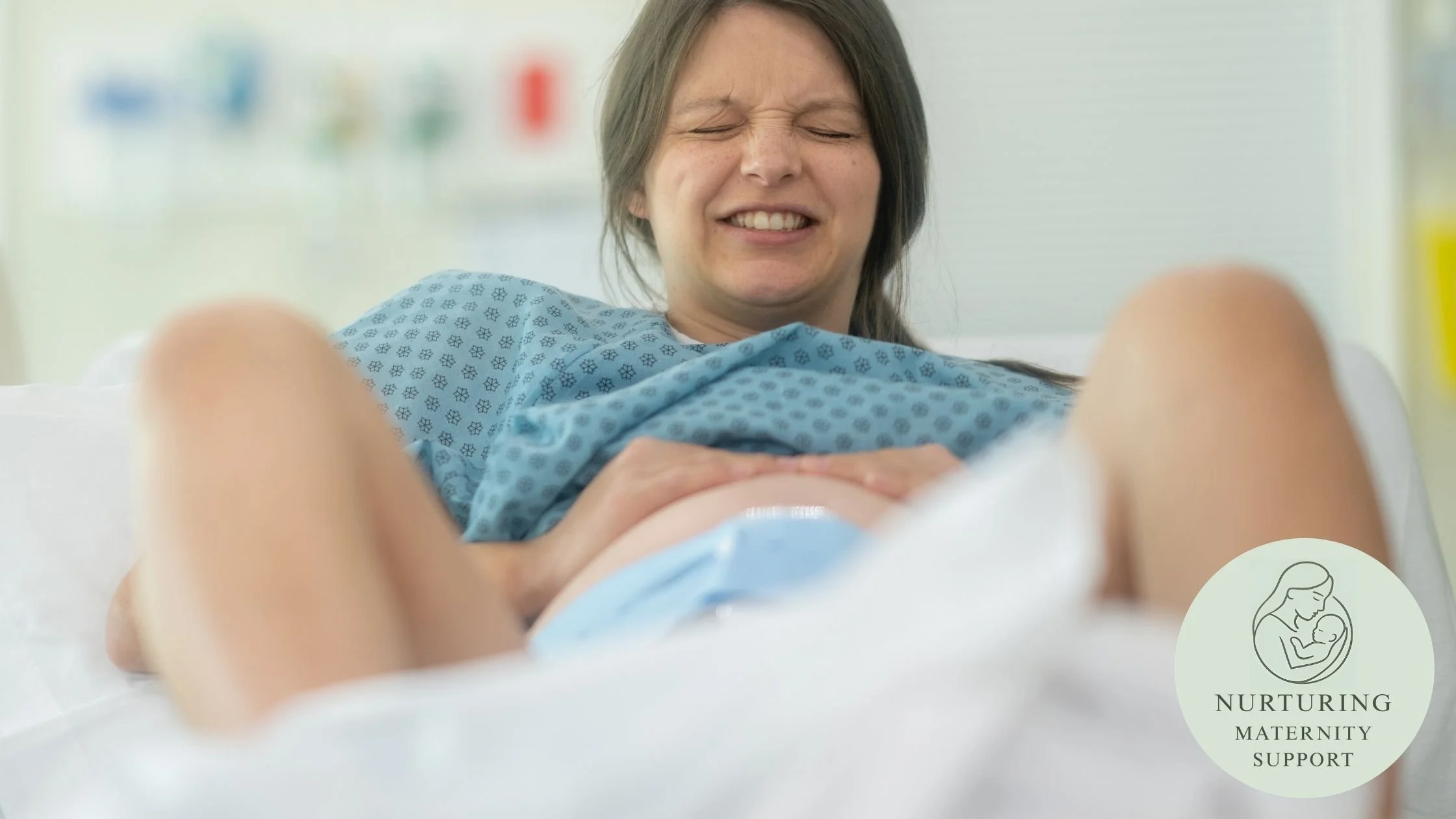
Labour is often described as intense, powerful, and unlike any other physical experience. One of the most common concerns expectant parents share during pregnancy is how they will cope with the sensations of labour.
At Nurturing Maternity Support, we often talk about the word “sensation” rather than “pain.” This shift in language helps acknowledge that labour can feel strong and demanding, while also recognising that there are many ways to work with these sensations.
Every labour is unique, and what works for one person may not work for another. The key is understanding the different approaches available so you can find what feels supportive for you.
Understanding Why Labour Feels Intense
During labour, the uterus contracts rhythmically to help the cervix open and guide the baby down through the pelvis. These contractions create powerful sensations in the abdomen, back, and pelvis.
At the same time, the body releases hormones such as oxytocin and endorphins. Oxytocin stimulates contractions, while endorphins act as the body’s natural pain relief, helping you cope with the intensity of labour.
When parents understand that these sensations are purposeful and temporary, they often feel better able to work with them rather than fear them.
Breathing and Relaxation
One of the most effective ways to manage sensation in labour is through controlled breathing and relaxation techniques.
Slow, steady breathing helps regulate the nervous system and reduces tension in the body. When muscles remain relaxed, the body can work more efficiently during contractions.
Relaxation techniques might include:
slow rhythmic breathing
visualisation or mindfulness
progressive muscle relaxation
focusing on calming words or affirmations
These techniques are often practised during pregnancy so they feel familiar when labour begins.
Movement and Position Changes
Labour is not something that needs to happen lying still. In fact, movement can often help manage sensation and support labour progress.
Changing positions allows the pelvis to open and can help the baby move down more easily. Movement also reduces pressure on specific areas of the body.
Helpful positions may include:
walking or swaying
leaning forward
kneeling or hands-and-knees
sitting on a birth ball
squatting or supported standing
Listening to your body’s instincts and moving freely can help labour feel more manageable.
Water for Comfort
Warm water is widely recognised as one of the most effective natural comfort measures during labour. Many parents find that using a bath, shower, or birth pool helps ease tension and reduce the intensity of contractions.
Water works by:
relaxing muscles
supporting buoyancy and movement
reducing pressure on joints
promoting calm and relaxation
Many people describe labouring in water as soothing and grounding, particularly during the more intense phases of labour.
Massage and Touch
Supportive touch can provide both physical and emotional comfort during labour. Gentle massage helps relieve muscle tension and encourages relaxation.
Birth partners can play an important role by offering:
lower back massage
firm counter-pressure during contractions
gentle stroking or holding hands
applying warm or cool compresses
Touch also encourages the release of oxytocin, the hormone that supports labour progression and feelings of connection.
Creating a Calm Environment
The environment in which labour takes place can strongly influence how sensations are experienced. When a birthing person feels safe and supported, the body is more likely to remain relaxed and focused.
Elements that can help create a calming environment include:
dim lighting
quiet surroundings
familiar music or sounds
supportive and reassuring people
privacy and minimal interruptions
These factors support the body’s natural hormonal flow and help maintain a sense of calm during labour.
Medical Pain Relief Options
Some parents choose to use medical pain relief options during labour, and these can also play an important role in managing sensation. Options may include:
gas and air (Entonox)
opioid medications
epidural anaesthesia
Each option has its own benefits and considerations, and the right choice depends on individual circumstances and preferences.
At Nurturing Maternity Support, we discuss these options in antenatal sessions so parents feel informed and able to make decisions that feel right for them.
Combining Different Approaches
Many parents use a combination of techniques during labour. For example, breathing techniques may be used alongside movement, water immersion, or medical pain relief.
Flexibility allows parents to respond to labour as it unfolds rather than feeling restricted to one approach.
The Role of Birth Partners
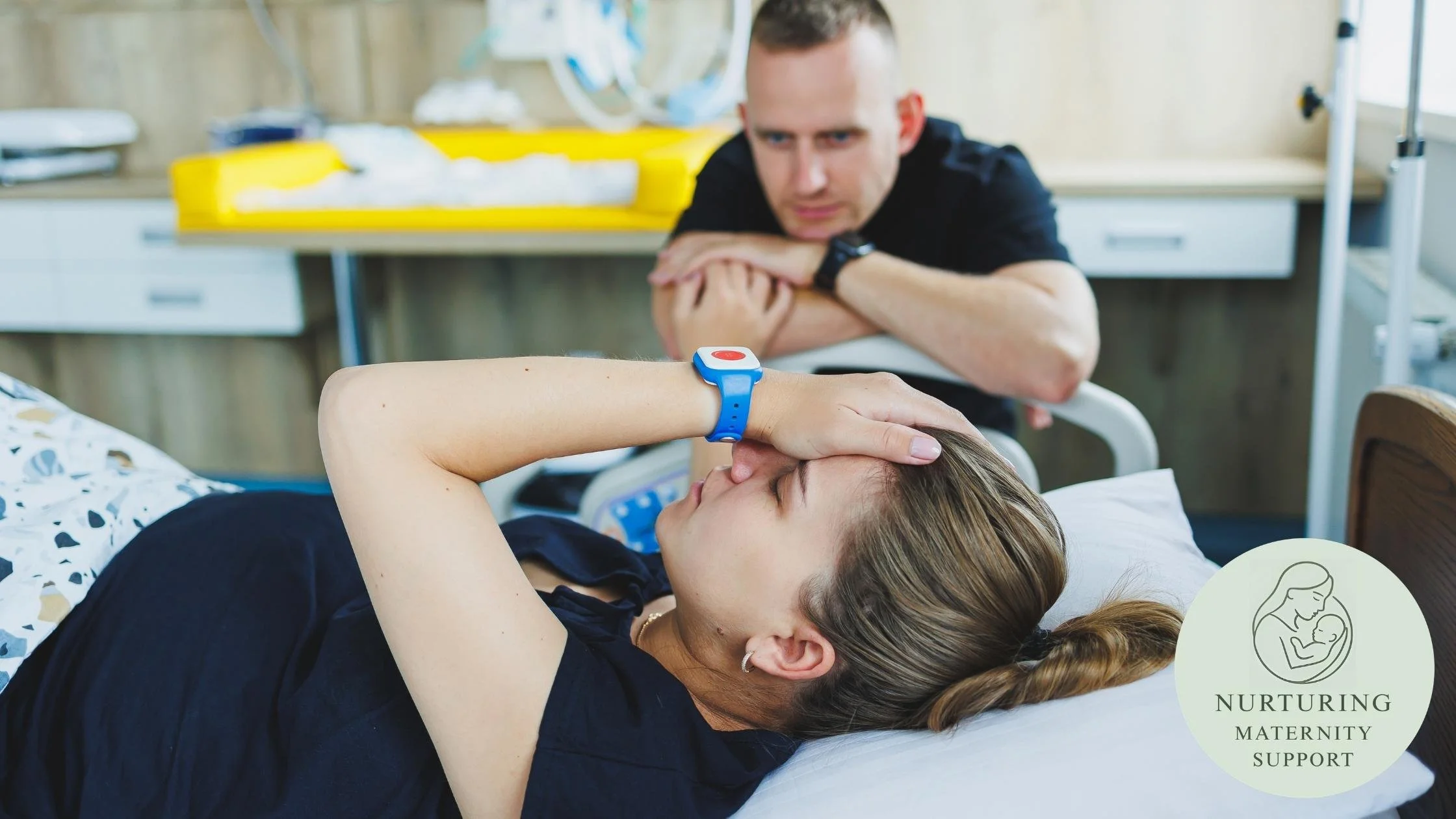
Birth partners can play a vital role in helping manage sensation during labour. Their presence provides emotional reassurance and practical support.
Partners may assist by:
offering encouragement and calm reassurance
reminding the birthing person to breathe and relax
helping with position changes
providing massage or comfort measures
communicating with the care team
When partners feel prepared and confident, they often help create a calmer and more supportive birth environment.
Trusting Your Body
One of the most powerful tools during labour is trust — trust in your body’s ability to give birth and trust in your ability to respond to what you are experiencing.
While labour sensations can be intense, they come in waves and usually build gradually. Each contraction brings your baby closer to being born.
Preparation, support, and understanding can help transform these sensations from something to fear into something you can work with.
Final Thoughts
Managing sensation in labour is not about removing intensity completely. Instead, it’s about finding approaches that help you feel supported, calm, and able to cope with each stage of the journey.
Every birth is different, and there is no single “right” way to manage labour sensations. What matters most is having access to information, supportive people around you, and the confidence to choose what feels best for you.
At Nurturing Maternity Support, our antenatal classes explore practical ways to manage labour sensations, from breathing techniques and movement to understanding medical pain relief options. We support families to approach birth feeling informed, confident, and prepared for the realities of labour.
