

What Nobody Tells You About the First Week After Birth
You spend months preparing for labour, birth, and meeting your baby. You read books, attend appointments, and perhaps even take an antenatal course. But despite all that preparation, many new parents find themselves saying the same thing during the first week after birth:
"Nobody told me it would be like this."
The first week after birth is beautiful, emotional, exhausting, overwhelming, and life-changing all at once. It is a period of huge adjustment, not only for your baby but for you too.
At Nurturing Maternity Support, I believe one of the best ways to prepare for parenthood is to have realistic expectations of those early days. Not to scare parents, but to reassure them that many of the experiences they have are completely normal.
So let's talk about some of the things nobody tells you about the first week after birth.
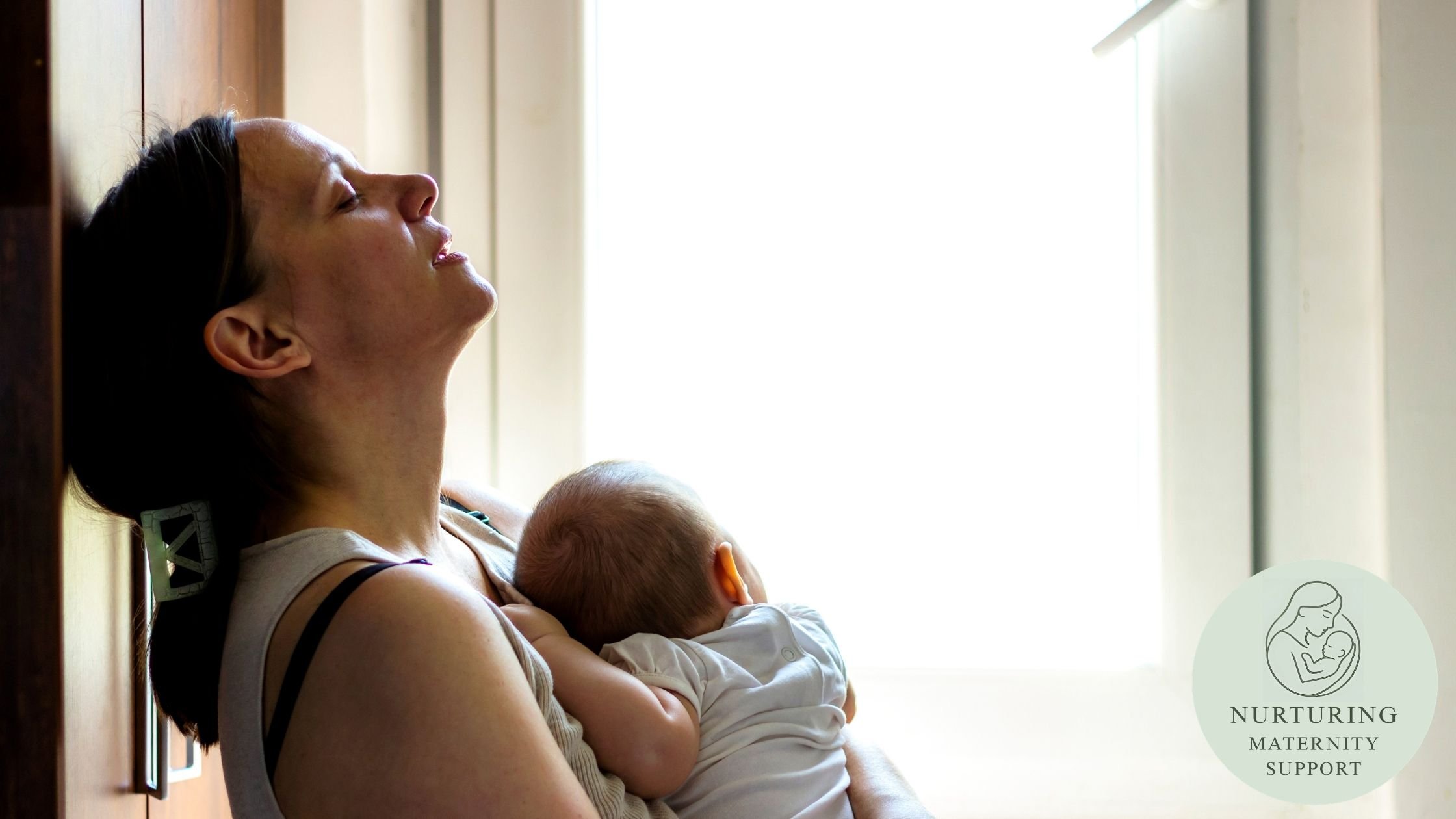
You May Feel Every Emotion Imaginable
One moment you'll be staring at your baby in complete amazement. The next, you may find yourself crying because you can't remember when you last slept.
The days after birth bring significant hormonal changes, physical recovery, sleep deprivation, and the emotional adjustment of becoming a parent.
It's completely normal to experience:
joy
relief
excitement
anxiety
overwhelm
vulnerability
frustration
pride
Sometimes all within the same hour.
These emotional ups and downs don't mean you're doing anything wrong. They are a normal part of a major life transition.
Recovery Can Be Harder Than Expected
Many parents prepare extensively for labour but give very little thought to their own recovery afterwards.
Whether you've had a vaginal birth or a caesarean birth, your body has been through an incredible experience.
During the first week, it's common to experience:
bleeding
soreness
swelling
afterpains
fatigue
discomfort when sitting or moving
tenderness around stitches or surgical wounds
Rest is not a luxury during this time — it's an important part of healing.
Newborns Don't Know the Difference Between Day and Night
One of the biggest surprises for many parents is how frequently newborns wake.
Inside the womb, babies don't follow a day-and-night pattern. Once they're born, they gradually learn the difference between daytime and nighttime.
This means your baby may:
sleep peacefully all afternoon
want to feed frequently overnight
wake every few hours
seem most alert when you're desperate for sleep
This is normal newborn behaviour, not a sign that you're doing anything wrong.
Feeding Can Take Up Most of Your Day
Many parents imagine feeding as something that happens every few hours.
The reality can be very different.
Whether you're breastfeeding, bottle feeding, or combination feeding, feeding a newborn can feel almost like a full-time job in the early days.
Newborns often feed:
frequently
unpredictably
for varying lengths of time
Breastfed babies may cluster feed, particularly during growth spurts, wanting to feed repeatedly over several hours.
This behaviour can feel exhausting, but it is usually completely normal.

Visitors Can Feel More Tiring Than Helpful
Before baby arrives, many parents look forward to introducing them to friends and family.
After birth, however, visitors can sometimes feel overwhelming.
When you're recovering physically, learning to feed your baby, and functioning on very little sleep, even well-meaning visitors can feel like hard work.
It's okay to:
limit visitors
ask people to wait
shorten visits
ask for practical help instead of baby cuddles
The first week is about recovery and adjustment, not entertaining guests.
You Might Doubt Yourself
Almost every new parent experiences moments of self-doubt.
You may find yourself wondering:
Am I feeding them enough?
Are they sleeping too much?
Why are they crying?
Am I doing this right?
These questions are incredibly common.
Confidence in parenting doesn't appear overnight. It develops gradually through experience, support, and getting to know your baby.
Your Baby Doesn't Need You to Be Perfect
Social media can sometimes make it look as though everyone else has parenthood figured out.
The truth is that all parents are learning.
Your baby does not need a perfect parent.
They need a parent who:
responds to them
loves them
comforts them
keeps trying
The small everyday moments of care matter far more than getting everything "right."
Your Relationship May Feel Different
The first week after birth is a huge adjustment for partners too.
You're both learning new roles, navigating sleep deprivation, and adapting to life with a baby.
It's normal to feel:
more emotional
less patient
disconnected at times
overwhelmed by the responsibility
Communication, kindness, and realistic expectations can help enormously during this period.
Remember that you're on the same team.
The Housework Can Wait
Many new parents feel pressure to keep on top of household tasks.
The reality is that during the first week after birth, your priorities are simple:
feeding the baby
resting
recovering
bonding
The washing, cleaning, and life admin will still be there later.
Giving yourself permission to lower expectations can be incredibly freeing.
You Will Learn More Than You Think
The first week can feel like a steep learning curve.
Yet every feed, cuddle, nappy change, and sleepless night teaches you something about your baby.
Slowly, you'll begin to notice:
feeding cues
sleep patterns
different cries
what comforts them
what they enjoy
Confidence grows not because everything becomes easy, but because you start trusting yourself.

Final Thoughts
The first week after birth is often messy, emotional, exhausting, and beautiful all at the same time.
It is not a week that needs to be perfected.
It is a week of recovery, adjustment, learning, and connection.
If you're preparing for birth, remember that preparing for the postnatal period is just as important as preparing for labour itself. Understanding what those early days might look like can help you approach them with greater confidence and self-compassion.
Most importantly, remember this:
You don't need to have all the answers.
You don't need to enjoy every moment.
And you certainly don't need to do it alone.
At Nurturing Maternity Support, we believe preparing for parenthood is about more than birth. Our antenatal classes include dedicated postnatal education, helping parents understand feeding, recovery, emotional wellbeing, and the realities of life with a newborn. Because confidence doesn't begin when labour starts — it begins with feeling prepared for what comes next.
