

Making Sense of Induction Conversations
During pregnancy, many parents are told that induction of labour might be discussed at some point. For some, it’s raised briefly. For others, it becomes a more detailed conversation as pregnancy progresses.
However it’s introduced, conversations about induction can sometimes feel confusing, overwhelming, or even pressured — especially if you’re hearing new information for the first time.
At Nurturing Maternity Support, we focus on helping families make sense of these conversations calmly and confidently, so they feel informed, supported, and able to make decisions that feel right for them.
What Is Induction of Labour?
Induction of labour simply means starting labour artificially, rather than waiting for it to begin naturally.
There are different methods of induction, and these may include:
hormone-based treatments to encourage contractions
mechanical methods to help the cervix open
breaking the waters
medication to support labour progression
Not all inductions look the same, and the approach offered will depend on individual circumstances.
Why Induction Might Be Suggested
Induction is usually discussed when care providers feel there may be a benefit to encouraging labour to begin sooner rather than later.
This might be related to:
going beyond a certain stage of pregnancy
concerns about the baby’s wellbeing
maternal health considerations
changes identified during monitoring
Every situation is different, and recommendations are based on individual factors.
Understanding why induction is being suggested is an important part of feeling confident in any decision.
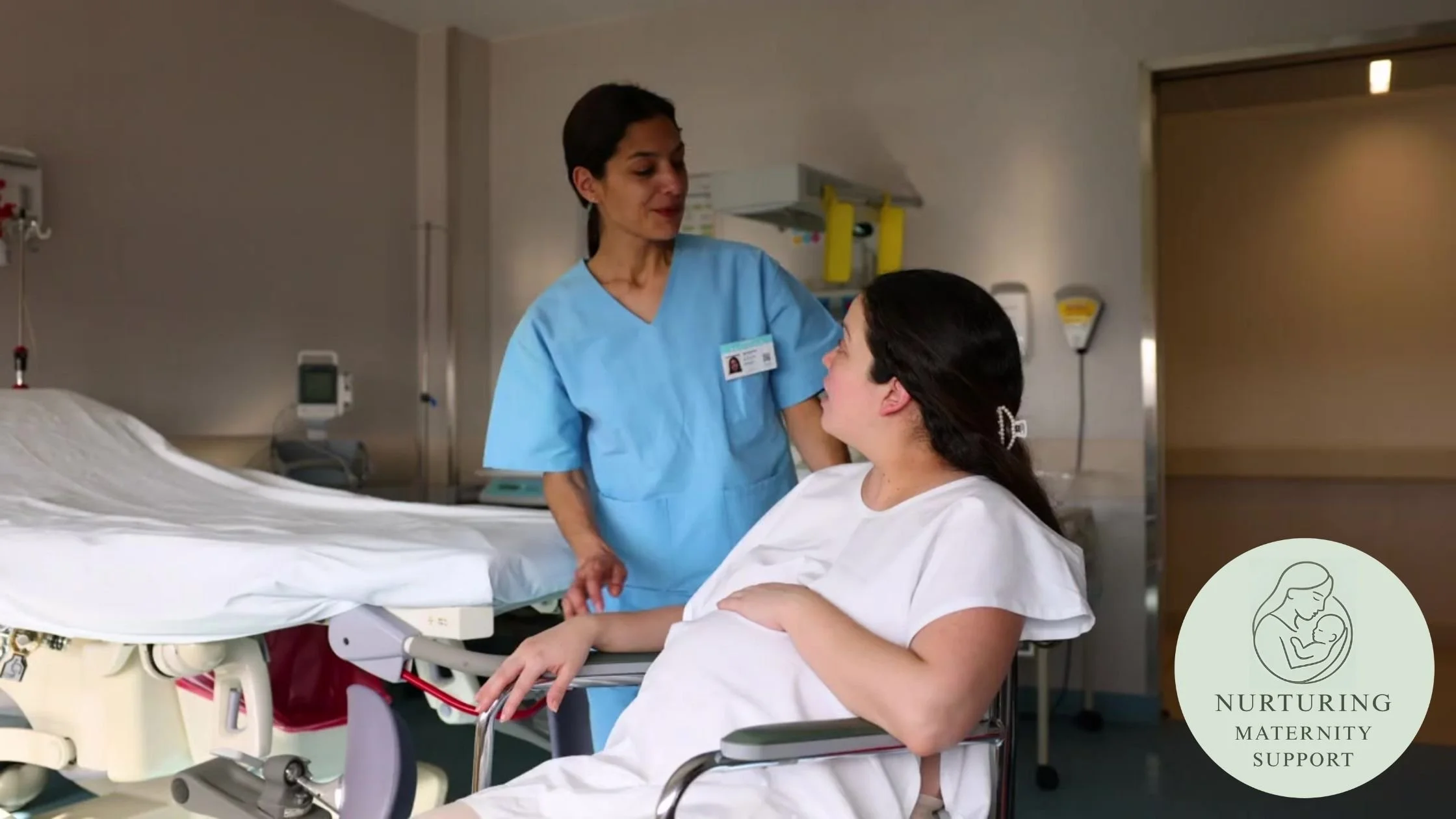
Why These Conversations Can Feel Overwhelming
Induction conversations often happen during routine appointments, sometimes without much time to process what’s being discussed.
Parents may feel:
surprised by the suggestion
unsure what their options are
worried about risks
uncertain about what induction involves
pressured to decide quickly
These feelings are completely normal. You are being asked to consider something important, often while already processing a lot of information.
Taking Time to Understand Your Options
One of the most important things to remember is that, in many situations, you have time to ask questions and consider your options.
Understanding your choices might include exploring:
why induction is being recommended
what the benefits and risks are
what alternatives may be available
what happens if you choose to wait
what induction might look like for you personally
Taking time to gather this information can help reduce anxiety and build confidence.
The Importance of Clear, Calm Communication
Feeling supported during these conversations often comes down to communication.
It can be helpful to ask questions such as:
What is the reason for this recommendation?
What are the possible outcomes of induction?
What are my alternatives?
How urgent is this decision?
What support will I have during the process?
These questions are not challenging your care — they are helping you understand it.
Understanding That You Have a Voice
One of the key messages we share at Nurturing Maternity Support is that you are an active participant in your care.
You have the right to:
ask questions
take time to think
discuss options with your partner
seek further information
make decisions that feel right for you
Feeling informed and involved often makes a significant difference to how parents experience both pregnancy and birth.
Preparing Emotionally for Different Scenarios
Even if you are hoping for spontaneous labour, it can be helpful to understand induction as part of your overall preparation.
Learning about it in advance — in a calm, supportive environment — can make it feel less unfamiliar if it is discussed later.
Preparation does not mean expecting it to happen. It simply means you are not encountering the information for the first time under pressure.
The Role of Your Birth Partner
Birth partners can play an important role during induction conversations.
They can help by:
listening and taking in information
asking questions
offering reassurance
supporting decision-making
helping you reflect on what feels right
Preparing together allows both of you to feel more confident navigating these discussions.

Keeping the Bigger Picture in Mind
Induction is one part of the birth journey. Whether it is part of your experience or not, what matters most is how supported and informed you feel throughout the process.
A positive experience is not defined by whether labour starts naturally or is induced — it is shaped by feeling respected, involved, and cared for.
Final Thoughts
Induction conversations can feel complex, but they do not have to feel overwhelming. With the right information, time to reflect, and supportive communication, parents can approach these discussions with greater clarity and confidence.
You do not need to have all the answers immediately. Taking time to understand your options and ask questions allows decisions to feel more considered and less pressured.
At Nurturing Maternity Support, we help families explore topics like induction in a calm, balanced way — so they feel prepared for conversations, not caught off guard by them.
At Nurturing Maternity Support, our antenatal sessions support families to understand birth options, including induction, in a clear and non-judgemental way. We focus on informed decision-making, partner involvement, and building confidence so parents feel supported every step of the way.
