

Understanding the Natural Flow of Labour
Labour is often described in stages, timelines, and measurements — but in reality, it is not a rigid sequence of events. It is a natural, flowing process guided by your body, your baby, and a powerful interplay of hormones.
At Nurturing Maternity Support, we gently help parents understand this flow so that labour feels less like something unpredictable and overwhelming, and more like something that unfolds step by step.
When you understand the natural rhythm of labour, it becomes easier to trust your body and approach birth with confidence.
Labour Is Not Linear
One of the most important things to understand is that labour does not always follow a straight path. It can speed up, slow down, pause, and change direction.
Some labours build gradually, while others progress quickly. There may be moments where things feel steady and predictable, and others where they feel uncertain or intense.
This variation is completely normal. Rather than expecting labour to follow a set timeline, it can be helpful to think of it as a wave-like process — building, peaking, and receding over time.
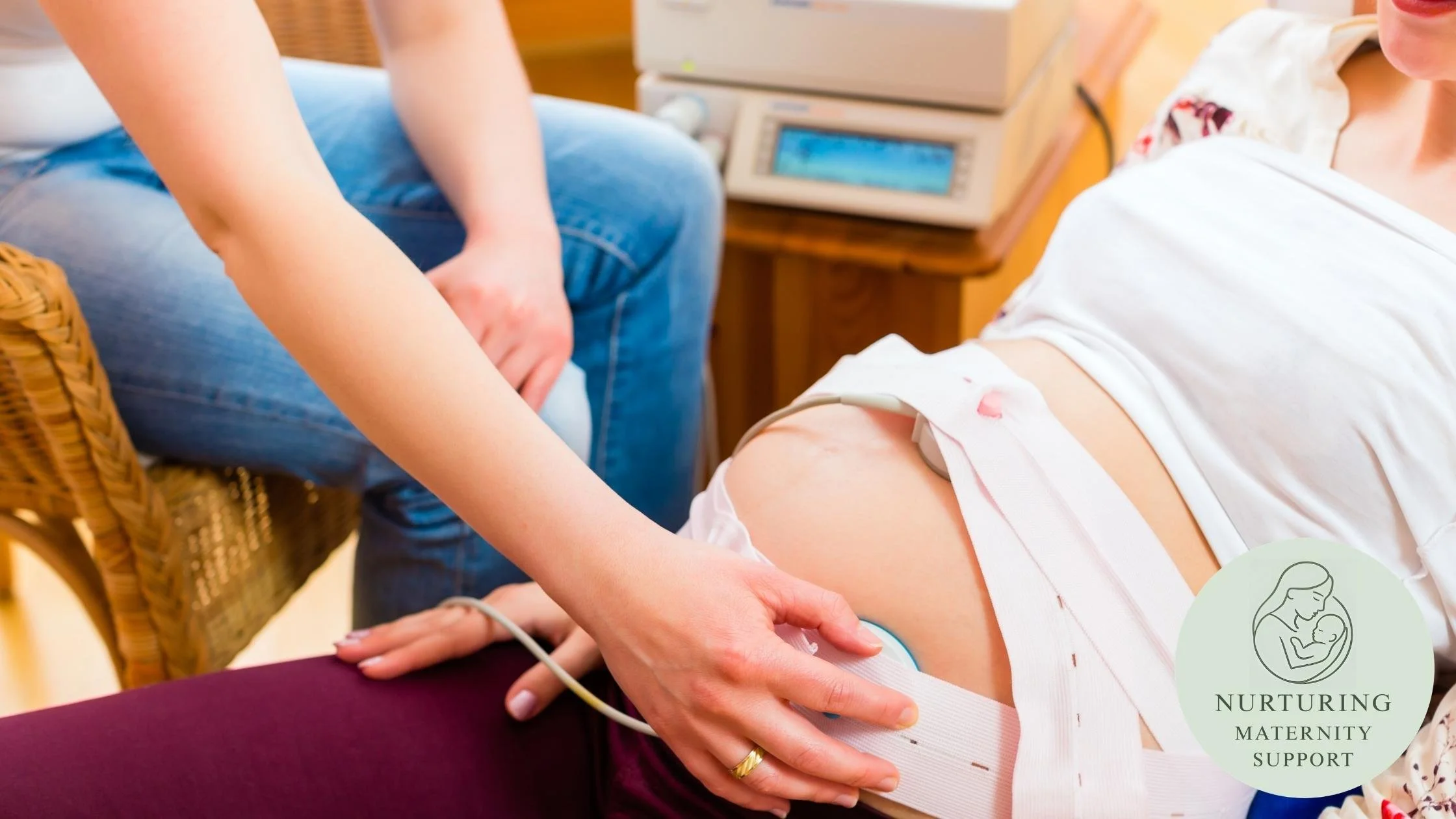
Early Labour: A Gentle Beginning
For many people, labour begins quietly. Early labour often starts with irregular contractions that gradually become more consistent.
During this phase, the cervix begins to soften and open, but this can take time. It is often a period where the body is preparing, rather than progressing quickly.
Early labour may feel manageable, allowing you to:
rest or sleep
move around comfortably
eat and drink
stay in familiar surroundings
This stage is often best approached with patience. Allowing your body to ease into labour can help conserve energy for later.
Active Labour: Building Intensity
As labour progresses, contractions usually become stronger, longer, and closer together. This is often referred to as active labour.
During this phase, the cervix opens more steadily, and focus naturally shifts inward. Many parents find they become more concentrated, relying on breathing, movement, and support to manage the increasing intensity.
This is where preparation becomes particularly helpful. Understanding what is happening in your body can help you stay grounded and work with each contraction as it comes.
Transition: The Most Intense Phase
Transition is often the shortest but most intense part of labour. Contractions may feel very strong, and it is common to experience moments of doubt or overwhelm.
You might hear yourself thinking, “I can’t do this” — and this is completely normal. In fact, it is often a sign that your body is nearing the final stages of labour.
Support during this phase is especially important. Calm reassurance, steady breathing, and a supportive environment can help you stay focused and move through this stage.
Birth: Working With Your Body
As your body moves into the final stage, you may feel the urge to push. This is a natural reflex, guided by your body rather than something you need to force.
Many parents find that their body takes over at this point, with movements and sensations that feel instinctive.
This stage is about working with your body, trusting its signals, and allowing the baby to be born in its own time.
The Role of Hormones
Throughout labour, hormones play a central role in guiding the process.
Oxytocin supports contractions and helps labour progress
Endorphins help you cope with intensity
Adrenaline can provide energy towards the end of labour
Prolactin supports bonding and feeding after birth
These hormones work best when you feel safe, calm, and supported — which is why environment and emotional wellbeing are so important.
The Importance of Rest and Pause
Labour is not constant intensity. There are natural pauses between contractions, and sometimes even longer periods where things slow down.
These pauses are not a problem — they are part of the flow. They allow your body to rest, recover, and prepare for the next stage.
Using these moments to breathe, relax, and conserve energy can make a big difference to how labour feels overall.
Why Support Matters in the Flow of Labour
The natural flow of labour is strongly influenced by how supported you feel.
When you feel calm and reassured, your body is more likely to stay in its natural rhythm. When you feel anxious or unsupported, it can interrupt that flow.
Support might come from:
a prepared birth partner
a calm and reassuring care team
a familiar or comfortable environment
These elements help create the conditions where labour can unfold naturally.
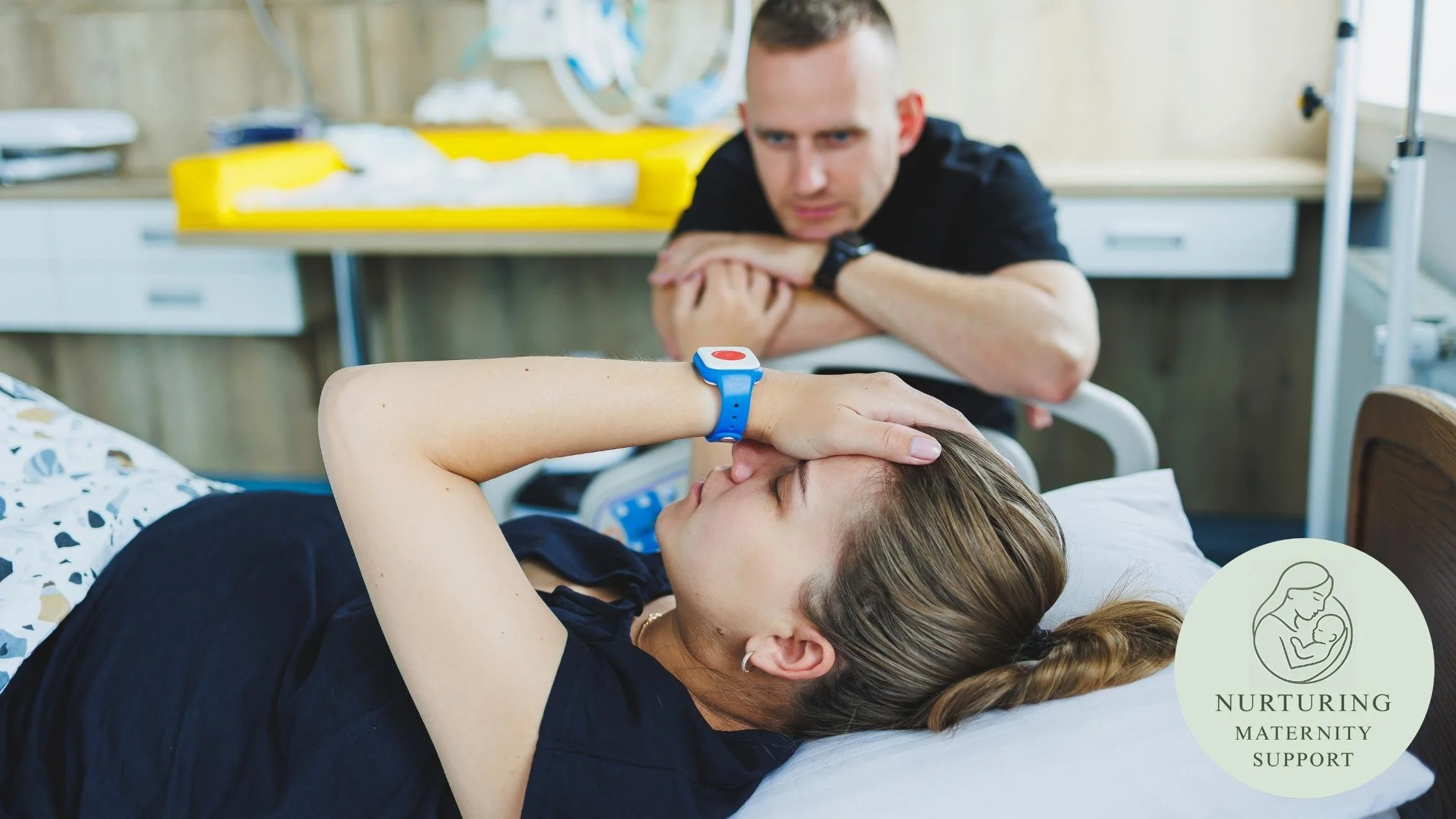
When the Flow Changes
While labour often follows a natural rhythm, there are times when support or intervention may be needed.
Understanding the natural flow of labour can still be helpful in these situations. It allows you to understand what is happening and remain involved in decision-making.
A positive birth experience is not defined by whether labour follows a specific path, but by how supported and informed you feel throughout.
Trusting the Process
Understanding the natural flow of labour helps shift the focus from control to trust.
Rather than wondering “Is this normal?”, parents who are prepared often recognise the patterns of labour and feel more confident responding to them.
Trusting your body does not mean labour will feel easy — but it does mean you can approach it with greater confidence and less fear.
Final Thoughts
Labour is a dynamic and powerful process, guided by your body and supported by those around you. It does not follow a strict timeline, and it does not need to be controlled.
By understanding the natural flow of labour, you can approach birth with a sense of calm, knowing that your body is working step by step to bring your baby into the world.
Preparation helps you recognise this flow, respond to it, and feel supported throughout the journey.
At Nurturing Maternity Support, we help families understand how labour works in a clear and reassuring way. Our antenatal sessions focus on physiology, partner support, and practical tools so parents feel confident navigating the natural flow of labour — whatever path their birth takes.
